





For millennia, humanity has gazed at the night sky with wonder, curiosity, and ambition. What began as a quest for understanding celestial patterns has evolved into a bold endeavour to explore and inhabit the cosmos. The 20th century marked a defining leap—from launching the first satellite, Sputnik 1 in 1957, to landing humans on the Moon, and now planning permanent colonies on Mars. At the heart of this cosmic journey lies Space Exploration and Satellite Technology—fields that blend scientific discovery, engineering innovation, and global collaboration. These technologies not only fuel our quest for extraterrestrial exploration but also profoundly impact life on Earth through communication, navigation, climate monitoring, and defense.
The Evolution of Space Exploration
Space exploration has evolved through distinct eras, each defined by technological progress and human ambition:
A. The Early Era (1950s–1970s)
- The Space Race between the United States and the Soviet Union accelerated technological innovation.
- Key milestones:
- 1957: Sputnik 1 becomes the first artificial satellite.
- 1961: Yuri Gagarin becomes the first human in space.
- 1969: NASA’s Apollo 11 mission lands humans on the Moon.
- These missions laid the foundation for modern aerospace engineering and orbital technologies.
B. The Space Shuttle and ISS Era (1980s–2000s)
- NASA’s Space Shuttle Program enabled reusable spacecraft and large payload deliveries.
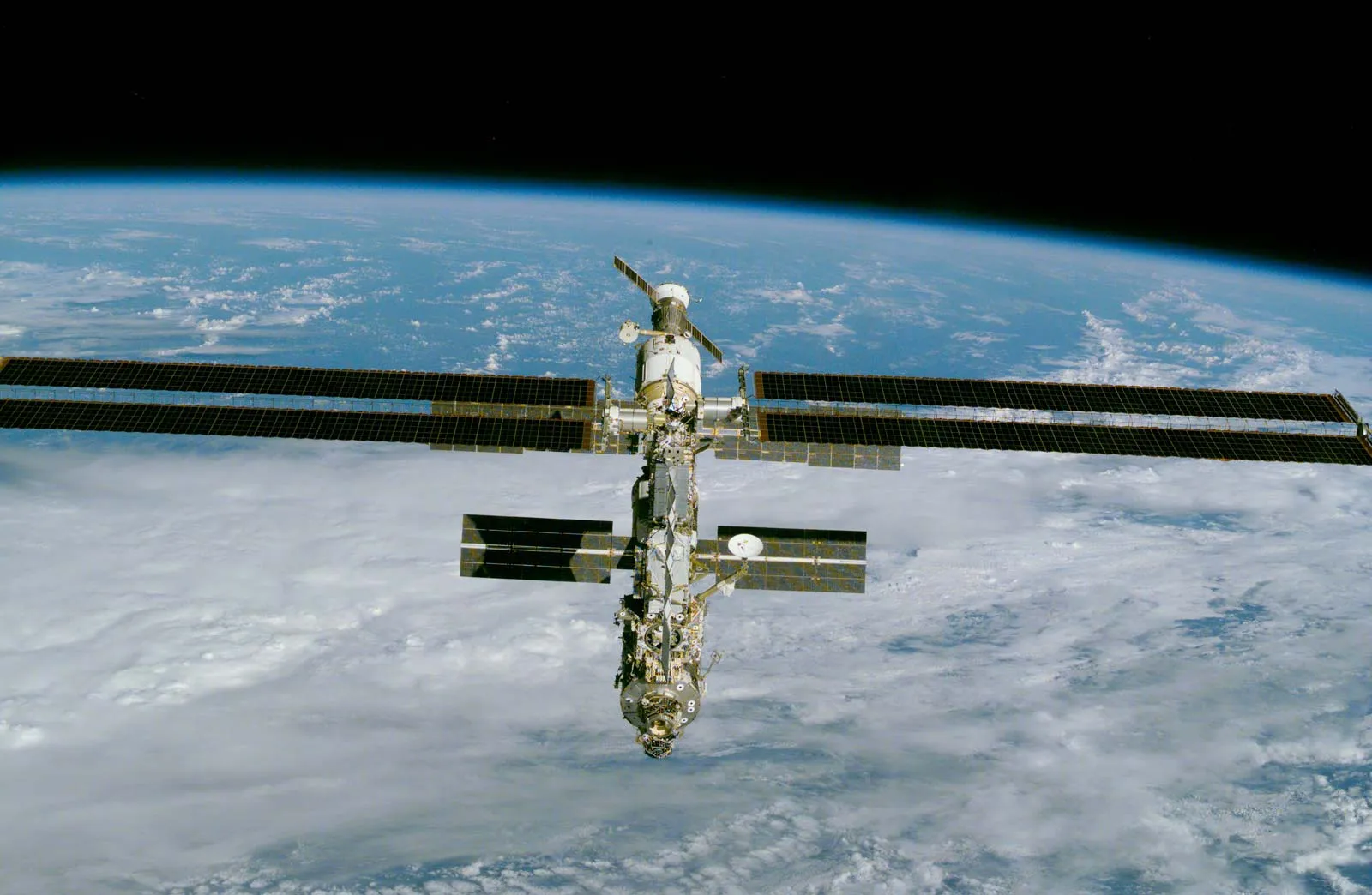
- The International Space Station (ISS), launched in 1998, became a symbol of global cooperation in microgravity research and space habitation.
C. The New Space Era (2010–Present)
- A new generation of private space companies—SpaceX, Blue Origin, Rocket Lab, and Virgin Galactic—has revolutionized access to space.
- Innovations like reusable rockets, miniaturized satellites (CubeSats), and AI-driven mission planning have reduced costs and expanded capabilities.
- Future missions aim for lunar bases, Mars colonization, and deep-space exploration.
Satellite Technology: The Backbone of Modern Civilization
Satellites are the unsung heroes of the modern world. They orbit Earth silently, enabling communication, navigation, surveillance, and scientific observation.
A. Types of Satellites
- Communication Satellites
- Facilitate global telecommunication, broadcasting, and internet services.
- Example: Starlink (SpaceX) aims to provide broadband internet worldwide.
- Navigation Satellites
- Provide GPS, GLONASS, Galileo, and BeiDou systems for precise positioning and timing.
- Crucial for transportation, logistics, and defense operations.
- Earth Observation Satellites
- Monitor climate change, natural disasters, agriculture, and urban growth.
- Example: NASA’s Landsat and ESA’s Copernicus programs.
- Scientific Satellites
- Study cosmic phenomena, radiation, and planetary systems.
- Example: Hubble Space Telescope, James Webb Space Telescope.
- Military and Reconnaissance Satellites
- Used for surveillance, intelligence gathering, and secure communications.
B. Satellite Orbits
- Low Earth Orbit (LEO) – 200–2,000 km altitude; ideal for imaging and low-latency communications (e.g., Starlink).
- Medium Earth Orbit (MEO) – used for navigation systems like GPS.
- Geostationary Orbit (GEO) – 35,786 km altitude; fixed relative to Earth’s rotation, used for communication and weather satellites.
- Sun-Synchronous Orbit – passes over the same location at the same local solar time daily, ideal for climate monitoring.
Technologies Powering Modern Space Exploration
A. Reusable Rockets
- Pioneered by SpaceX’s Falcon 9, reusable rockets have drastically reduced launch costs.
- Reusability promotes sustainable space travel and increases mission frequency.
B. Advanced Propulsion Systems
- New propulsion technologies, including ion thrusters, plasma drives, and nuclear propulsion, promise longer missions and deeper exploration.
C. Robotics and Automation
- Robotic rovers like Perseverance and Curiosity on Mars demonstrate autonomous navigation and AI-driven research capabilities.
- Robotic arms on the ISS handle maintenance and satellite deployment tasks.
D. Artificial Intelligence (AI)
- AI assists in trajectory optimization, anomaly detection, and autonomous spacecraft operation.
- Example: AI navigation used in ESA’s Rosetta mission and NASA’s Mars Helicopter – Ingenuity.
E. 3D Printing in Space
- Enables on-demand manufacturing of tools and replacement parts aboard spacecraft, reducing dependency on Earth resupply missions.
F. Satellite Miniaturization
- CubeSats and nanosatellites allow universities, startups, and governments to launch low-cost missions for communication, research, and Earth observation.
Benefits of Space Exploration and Satellite Technology
A. Scientific Discovery
- Expands understanding of planetary systems, cosmic evolution, and the potential for extraterrestrial life.
B. Global Communication
- Enables instant global connectivity via satellite internet and telecommunication systems.
C. Environmental and Climate Monitoring
- Satellites track greenhouse gas emissions, deforestation, and ocean health, aiding sustainability efforts.
D. Disaster Management
- Real-time imagery assists in predicting and responding to natural disasters like hurricanes, floods, and wildfires.
E. Economic Growth
- The global space economy is projected to exceed $1 trillion by 2040, driven by satellite launches, space tourism, and asteroid mining.
F. Inspiration and Innovation
- Space exploration fuels technological innovation in materials science, AI, robotics, and energy systems—advancements that benefit life on Earth.
Challenges in Space Exploration and Satellite Technology
A. Space Debris
- Over 30,000 trackable objects orbit Earth, posing collision risks to spacecraft and satellites.
- Active debris removal and responsible satellite deorbiting are urgent priorities.
B. Cost and Accessibility
- Launch and maintenance costs remain high, limiting access for developing nations and smaller organizations.
C. Radiation and Human Health
- Prolonged space exposure leads to radiation damage, muscle atrophy, and psychological challenges for astronauts.
D. Legal and Ethical Issues
- Space law lags behind technological advancements.
- Issues include space mining rights, militarization, and orbital crowding.
E. Sustainability
- The rapid expansion of mega-constellations (like Starlink) raises concerns about light pollution, orbital congestion, and long-term sustainability.
Future Trends and Innovations
A. Lunar Colonization
- NASA’s Artemis Program aims to establish a sustainable human presence on the Moon by the 2030s.
- Private companies are developing lunar habitats and resource extraction systems.
B. Mars Missions
- SpaceX’s Starship and NASA’s Mars Sample Return Mission pave the way for human exploration and potential colonization.
C. Space Tourism
- Companies like Blue Origin and Virgin Galactic are making suborbital flights accessible to civilians.
D. Space Mining
- Asteroid mining for rare metals and water resources could revolutionize both space and terrestrial economies.
E. Interplanetary Internet
- NASA and ESA are developing Delay-Tolerant Networking (DTN) systems for reliable communication across vast interplanetary distances.
F. Quantum Communication and Satellite Security
- Future satellites may use quantum encryption to secure communications, preventing cyber espionage.
Real-World Examples
- SpaceX Starlink – A global satellite internet constellation providing broadband connectivity in remote areas.
- NASA Artemis Program – Aims to return humans to the Moon and establish lunar infrastructure.
- James Webb Space Telescope – Peering into the universe’s origins with unprecedented clarity.
- Planet Labs – Operates hundreds of Earth-imaging satellites for environmental and agricultural monitoring.
- OneWeb – Competing with Starlink to offer global internet coverage through low-Earth orbit satellites.