



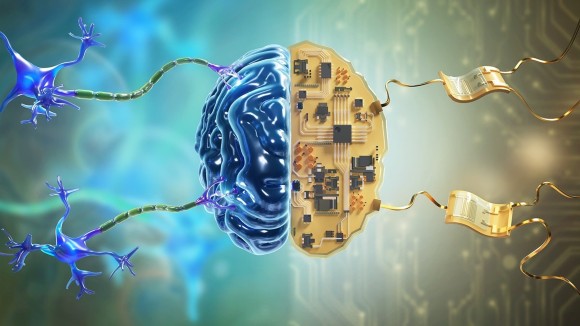
Traditional computing architectures, based on the von Neumann model, have powered modern technology for decades. These systems rely on a clear separation between processing and memory, leading to inefficiencies in energy consumption and speed, especially for tasks involving pattern recognition, learning, and decision-making. As artificial intelligence (AI) and big data applications grow, the demand for more efficient, brain-like computing has increased. Enter Neuromorphic Computing—a revolutionary approach that emulates the structure and functionality of the human brain. By mimicking neurons, synapses, and neural circuits, neuromorphic systems aim to deliver ultra-efficient, adaptive, and intelligent computing, capable of handling complex tasks with minimal energy use.
Core Principles of Neuromorphic Computing
Neuromorphic computing combines neuroscience, computer engineering, and AI. Its key principles include:
A. Brain-Inspired Architecture
- Unlike traditional CPUs and GPUs, neuromorphic chips mimic the neuronal networks of the brain.
- Components include artificial neurons (processing units) and synapses (memory and weight storage).
- This architecture supports parallel, event-driven processing, allowing real-time computation with low latency.
B. Spiking Neural Networks (SNNs)
- Neuromorphic systems often use SNNs, where neurons communicate via discrete spikes, resembling the brain’s electrical activity.
- Unlike conventional neural networks, SNNs process information asynchronously, activating only when necessary, which reduces energy consumption.
C. Event-Driven Computation
- Processing is triggered by events or spikes rather than a continuous clock cycle, making the system highly energy-efficient.
- Only active neurons consume power, unlike traditional systems where the processor constantly cycles regardless of activity.
D. Plasticity and Learning
- Neuromorphic systems can adapt and learn dynamically, similar to how the brain strengthens or weakens synapses in response to experience (synaptic plasticity).
- Hardware implementations may incorporate STDP (Spike-Timing-Dependent Plasticity) to adjust synaptic weights automatically.
E. Low-Power Design
- Energy efficiency is a major advantage. Neuromorphic chips consume orders of magnitude less power than conventional GPUs for AI tasks, making them ideal for edge devices and autonomous systems.
Technologies and Components in Neuromorphic Computing
A. Neuromorphic Chips
- IBM TrueNorth: Contains 1 million neurons and 256 million synapses, designed for real-time AI applications.
- Intel Loihi: Supports on-chip learning, adaptive spiking neural networks, and ultra-low power consumption.
B. Memristors
- Memristors act as artificial synapses, storing weight values and adjusting conductivity based on input signals.
- They enable dense, energy-efficient memory storage with analog behavior, closely mimicking biological synapses.
C. Sensor Integration
- Neuromorphic systems often integrate sensors that produce event-based signals, like DVS (Dynamic Vision Sensors), which only report changes in a scene, reducing redundant data.
D. Software Frameworks
- Development platforms like Nengo, Brian2, and PyNN enable simulation and deployment of spiking neural networks on neuromorphic hardware.
Applications of Neuromorphic Computing
A. Artificial Intelligence and Machine Learning
- Neuromorphic systems excel at AI tasks such as image and speech recognition, natural language processing, and pattern detection.
- Event-driven processing allows real-time inference with minimal energy consumption, making it ideal for mobile and IoT devices.
B. Robotics and Autonomous Systems
- Neuromorphic computing enables fast decision-making in drones, self-driving cars, and industrial robots.
- Its low-latency processing helps robots react quickly to dynamic environments.
C. Edge Computing
- Devices like smart cameras, sensors, and wearables benefit from on-device neuromorphic AI, reducing reliance on cloud computing.
- Benefits: lower bandwidth use, faster response times, and enhanced privacy.
D. Brain-Machine Interfaces (BMI)
- Neuromorphic systems can decode neural signals for prosthetics, exoskeletons, and communication devices for individuals with disabilities.
- Mimicking the brain’s communication patterns allows more natural and adaptive control.
E. Environmental and Energy Monitoring
- Event-driven sensors powered by neuromorphic chips detect anomalies in large-scale monitoring systems while consuming minimal energy.
- Example: wildlife tracking, earthquake monitoring, and smart grid management.
Benefits of Neuromorphic Computing
- Energy Efficiency
- Processes data only when events occur, drastically reducing power usage compared to traditional computing.
- Real-Time Processing
- Asynchronous, parallel processing allows immediate response to dynamic inputs.
- Scalability
- Neuromorphic systems can scale to millions of neurons and billions of synapses for large, complex networks.
- Adaptive Learning
- Systems can learn from experience in real time, mimicking human learning processes.
- Edge AI Enablement
- Ultra-efficient processing allows AI deployment on small, battery-powered devices without cloud dependence.
Challenges and Limitations
A. Hardware Complexity
- Designing neuromorphic chips and memristor arrays is technologically challenging and expensive.
B. Software Maturity
- Programming spiking neural networks is less intuitive than traditional deep learning frameworks.
- Tooling and libraries are still developing.
C. Standardization
- Lack of unified standards and benchmarks makes comparison and widespread adoption difficult.
D. Algorithmic Limitations
- SNNs are highly efficient but may struggle with some AI tasks where conventional neural networks currently dominate.
E. Integration
- Incorporating neuromorphic systems with existing computing infrastructure requires sophisticated hybrid architectures.
Future Trends in Neuromorphic Computing
- Hybrid Architectures
- Combining neuromorphic chips with traditional CPUs and GPUs to leverage strengths of both.
- Neuromorphic IoT
- Edge devices that learn, adapt, and process data autonomously, enabling smart cities and industries.
- Next-Gen AI
- Real-time AI with ultra-low energy consumption, capable of learning continuously from unstructured data streams.
- Brain-Inspired Supercomputing
- Large-scale neuromorphic systems for climate modeling, protein folding, and complex simulations.
- Integration with Quantum Computing
- Exploring hybrid neuromorphic-quantum architectures to solve problems beyond classical computing limits.
Real-World Examples
- IBM TrueNorth – Designed for pattern recognition and sensory processing tasks with ultra-low power usage.
- Intel Loihi – Neuromorphic chip enabling on-device learning and adaptive AI for robotics and IoT.
- BrainScaleS (Europe) – Large-scale neuromorphic platform for research in spiking neural networks.
- SpiNNaker (University of Manchester) – Massively parallel architecture simulating millions of neurons in real time.
- Prosthetic Applications – Neuromorphic chips decoding neural signals for adaptive prosthetic control.