



Agriculture has been the backbone of human civilization for thousands of years, sustaining societies and fueling economies. However, traditional farming faces enormous challenges today: a growing global population, climate change, soil degradation, water scarcity, and the need for sustainable practices. To address these challenges, Agricultural Technology (AgriTech) has emerged as a transformative force. AgriTech is the integration of modern technologies with agricultural practices to enhance productivity, efficiency, and sustainability. By leveraging innovations in AI, IoT, robotics, biotechnology, and data analytics, AgriTech is redefining farming, food security, and supply chains around the world.
Core Components of AgriTech
AgriTech encompasses a wide range of technologies, each designed to optimize farming in unique ways:
A. Precision Agriculture
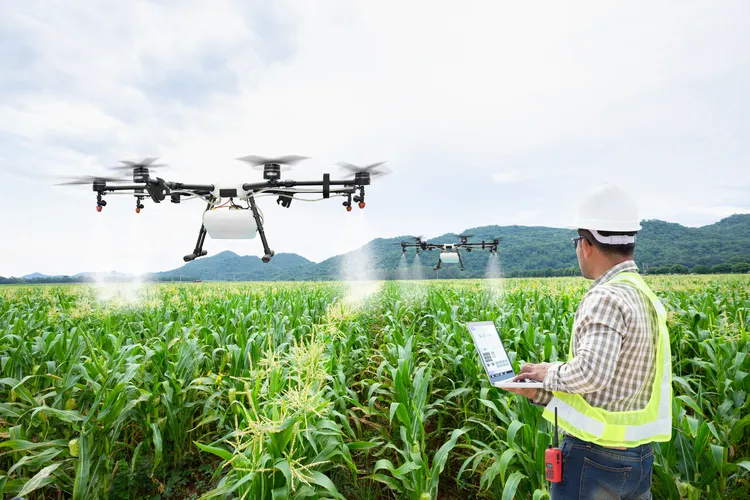
Precision agriculture uses data-driven insights to optimize crop production. Farmers can monitor soil conditions, weather patterns, and crop health to make informed decisions.
- Tools include GPS-guided tractors, drones, satellite imagery, and soil sensors.
- Benefits: Reduced waste, higher yields, and more efficient use of water and fertilizers.
B. IoT and Smart Farming
The Internet of Things (IoT) connects devices across the farm, enabling real-time monitoring and control.
- Sensors track soil moisture, temperature, pH levels, and nutrient content.
- IoT-enabled irrigation systems adjust water delivery automatically based on soil and weather data.
C. Robotics and Automation
- Autonomous tractors, harvesters, and drones reduce labor dependency and increase efficiency.
- Robots can plant seeds, prune crops, monitor plant health, and even harvest delicate fruits like strawberries or grapes.
- Automation lowers labor costs and reduces human error, making large-scale farming more sustainable.
D. Biotechnology and Genetic Engineering
- Genetically modified crops (GMOs) improve resistance to pests, diseases, and harsh environmental conditions.
- CRISPR and gene editing allow precise modifications, enhancing yield, nutritional content, and drought tolerance.
- Biotech solutions also include biofertilizers, biopesticides, and microbial treatments to enhance soil health naturally.
E. Data Analytics and Artificial Intelligence
- AI algorithms analyze weather patterns, pest outbreaks, and crop performance to optimize decision-making.
- Predictive analytics helps farmers forecast yields, plan planting schedules, and detect potential threats before they escalate.
- Machine learning enables continuous improvement through historical and real-time data.
Applications of AgriTech
A. Crop Monitoring and Management
- Drones and satellites provide high-resolution imagery to monitor crop health and detect disease, nutrient deficiencies, or water stress.
- AI-driven platforms analyze this data to recommend interventions, saving time and resources.
B. Soil and Water Management
- Smart irrigation systems ensure optimal water use, minimizing waste and preventing over-irrigation.
- Soil sensors provide insights on pH, salinity, and nutrient levels, allowing targeted fertilization.
C. Livestock Monitoring
- Wearable sensors and RFID tags track animal health, location, and feeding behavior.
- Predictive analytics detects early signs of disease, reducing mortality rates and improving productivity.
D. Supply Chain and Farm-to-Table Optimization
- Blockchain and AI improve traceability, ensuring transparency in food sourcing.
- Predictive analytics in logistics reduces food waste by optimizing storage, transport, and distribution.
E. Vertical and Indoor Farming
- Controlled-environment agriculture (CEA) allows crops to grow in urban spaces, warehouses, or greenhouses.
- Hydroponics, aquaponics, and aeroponics reduce land use and water consumption while providing year-round production.
Benefits of AgriTech
- Increased Productivity
- Precision farming and AI insights maximize yield per acre, ensuring more efficient use of resources.
- Sustainability
- IoT and robotics reduce water, fertilizer, and pesticide use, promoting environmentally friendly farming.
- Cost Efficiency
- Automation and predictive analytics lower labor and input costs.
- Enhanced Food Security
- Higher yields, reduced losses, and optimized supply chains contribute to global food availability.
- Climate Resilience
- Biotechnology and smart agriculture help farms adapt to extreme weather, pests, and changing climatic conditions.
Challenges and Limitations
A. High Initial Costs
- Advanced technologies such as drones, sensors, or gene-editing tools require significant investment.
- Small-scale farmers in developing countries may struggle to access or afford these innovations.
B. Data Management
- Managing and interpreting vast amounts of farm data requires specialized knowledge.
- Integration of different systems and platforms can be technically challenging.
C. Cybersecurity and Privacy
- IoT devices and digital platforms are vulnerable to hacking and data breaches, potentially compromising farm operations.
D. Ethical and Environmental Concerns
- Over-reliance on genetically modified crops or automated systems raises questions about biodiversity, sustainability, and ethical farming practices.
Emerging Trends in AgriTech
A. AI-Powered Robotics
- Autonomous weeding, seeding, and harvesting robots reduce labor dependency and increase efficiency.
B. Climate-Smart Agriculture
- AI and predictive analytics help farmers anticipate weather extremes and adjust planting strategies.
- Carbon footprint tracking and sustainable farming certifications are becoming common.
C. Vertical Farming and Urban Agriculture
- Compact, high-efficiency farms in cities reduce transportation costs and environmental impact.
D. Biotech Innovations
- CRISPR-edited crops with higher nutritional value or environmental resilience are gaining attention.
- Microbial solutions for soil health and pest management reduce chemical dependency.
E. Blockchain for Traceability
- End-to-end transparency from farm to consumer ensures food safety, builds trust, and combats fraud.
Real-World Examples
- John Deere – Integrates AI, robotics, and IoT in tractors and harvesters for precision farming.
- Indigo Ag – Uses microbiology and data analytics to improve crop resilience and sustainability.
- AeroFarms – A leading vertical farming company producing leafy greens in urban environments.
- CropX – Provides soil analytics and AI-driven irrigation solutions to optimize water use.
- Benson Hill – Combines genomics, AI, and plant breeding to improve crop yield and nutritional content.