


Human beings have always sought to enhance physical and mental abilities. From primitive tools to modern medicine, technology has consistently extended human capabilities. In the 21st century, a new frontier is emerging: human augmentation and biohacking. These fields merge biology, technology, and neuroscience to amplify human performance, health, and cognition. Unlike traditional medicine, which focuses on treating illness, human augmentation aims to enhance normal human function, often blending the boundaries between biology and technology. Biohacking, a related practice, involves self-directed experimentation to optimize one’s body and mind using scientific methods.
Understanding Human Augmentation
Human augmentation refers to the use of technology to improve human capabilities, both physically and mentally. It spans several domains:
A. Physical Augmentation
- Prosthetics: Advanced robotic prosthetic limbs controlled via neural signals enable amputees to regain near-natural movement.
- Exoskeletons: Wearable robotic suits enhance strength, endurance, and mobility, assisting workers in industrial settings or soldiers in the military.
- Sensory Enhancement: Devices like cochlear implants restore hearing, while experimental retinal implants aim to restore sight or provide augmented visual information.
B. Cognitive Augmentation
- Neural Interfaces: Brain-computer interfaces (BCIs) allow direct communication between the brain and digital devices, enhancing memory, learning, or attention.
- Nootropics and Cognitive Enhancers: Substances designed to improve focus, memory, or creativity. These range from natural supplements like caffeine to experimental smart drugs.
C. Genetic and Molecular Augmentation
- Gene Editing: CRISPR and other tools can potentially enhance physical traits, immunity, or cognitive function.
- Stem Cell Therapy: Regenerative medicine can repair or enhance tissues, improving performance or slowing age-related decline.
Biohacking.
Biohacking is the practice of self-experimentation to optimize biology and performance. While some approaches are low-tech, others involve advanced biomedical techniques.
A. Categories of Biohacking
- Nutritional and Lifestyle Biohacking
- Optimizing diet, exercise, sleep, and meditation to maximize health and cognitive performance.
- DIY Biology (DIYbio)
- Experimenting with genetics, microbiology, and biotechnology outside traditional labs, sometimes in community labs.
- Implantable Devices
- RFID chips or magnetic implants that allow interactions with digital devices or provide sensory feedback.
- Cognitive and Neurohacking
- Techniques to enhance mental abilities, including brainwave entrainment, neurostimulation, or nootropic supplementation.
Biohacking embodies a do-it-yourself, experimental ethos, where individuals actively shape their biology for improved performance and longevity.
Key Technologies Driving Human Augmentation
A. Brain-Computer Interfaces (BCIs)
BCIs are devices that read and interpret neural activity, enabling humans to control computers, prosthetics, or other devices using thought alone.
- Applications: Restoring mobility to paralyzed patients, controlling drones, or enhancing cognitive capabilities.
- Companies: Neuralink, Kernel, and Synchron are pioneering practical BCIs.
B. Wearable and Implantable Devices
- Smartwatches and biosensors monitor heart rate, glucose levels, sleep patterns, and more.
- Implantables, such as RFID chips, enable secure access, digital identification, or even augmented senses.
C. Genetic Engineering
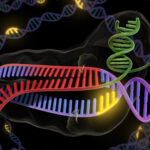
- CRISPR-Cas9 allows precise modifications to DNA, opening possibilities for disease resistance, lifespan extension, and physical enhancements.
- Synthetic biology may eventually allow the design of entirely new biological capabilities.
D. Exoskeletons and Robotics
- Industrial, medical, and military exoskeletons enhance strength, endurance, and rehabilitation outcomes.
- Soft robotics are being developed to seamlessly integrate with human movement.
E. Neurostimulation
- Non-invasive techniques such as transcranial direct current stimulation (tDCS) can temporarily improve focus, memory, or learning speed.
- Research continues on targeted neuroenhancement to safely augment cognitive functions.
Benefits and Potential
A. Enhanced Physical Capabilities
- Restoration for amputees and disabled individuals.
- Strength and endurance augmentation for workers, soldiers, or athletes.
- Improved recovery from injuries and degenerative conditions.
B. Cognitive Enhancement
- Faster learning, improved memory retention, and better decision-making.
- Potential therapies for neurological conditions like Alzheimer’s or ADHD.
- Augmented creativity and productivity for knowledge workers.
C. Longevity and Healthspan
- Biohacking strategies combined with regenerative medicine could extend lifespan and improve quality of life.
- Monitoring wearable devices enable early disease detection and preventive health measures.
D. Accessibility and Democratization
- DIY biohacking and open-source projects allow individuals outside elite labs to experiment with personal health optimization and human enhancement.
Ethical and Societal Considerations
A. Equity and Access
- Advanced augmentations may only be accessible to the wealthy, potentially creating a new class divide between augmented and non-augmented humans.
B. Safety and Regulation
- DIY biohacking and untested augmentations carry health risks, including infection, genetic complications, or neurological side effects.
- Regulatory frameworks are currently limited, leading to a gray area of experimentation.
C. Identity and Humanity
- Human augmentation challenges philosophical concepts of identity. Where do human capabilities end and machine enhancements begin?
- Questions about moral responsibility arise if augmented individuals outperform or replace natural abilities.
D. Privacy and Security
- Implantable devices and BCIs generate sensitive biological and neurological data. Unauthorized access could lead to biological hacking or manipulation.
Real-World Examples
- Neuralink: Elon Musk’s company developing implantable brain chips to restore motor function and augment cognition.
- OpenBCI: An open-source platform for brain-computer interfacing, empowering researchers and hobbyists.
- Ekso Bionics: Produces exoskeletons for rehabilitation and industrial enhancement.
- DIYbio Labs: Community labs where enthusiasts experiment with genetics, nutrition, and longevity.
- Grinders: A biohacker subculture that implants chips, magnets, or sensors to expand sensory perception or digital connectivity.
Challenges and Limitations
- Technological Limitations: Neural interfaces, gene editing, and exoskeletons are still in early stages. Fine control, safety, and long-term effects remain concerns.
- Ethical Dilemmas: Enhancement raises questions of consent, fairness, and human identity.
- Health Risks: Implants and experimental interventions may cause immune reactions, infections, or unintended genetic effects.
- Regulatory Gaps: Rapid innovation often outpaces regulation, creating potential legal and safety issues.
Future Trends
- Integration of AI and BCIs: AI-driven neural augmentation may allow real-time cognitive enhancement, memory assistance, and predictive decision-making.
- Longevity and Anti-Aging Biohacking: Stem cells, senolytics, and telomere therapies could extend healthy lifespan.
- Full-Body Cybernetic Augmentation: Advanced prosthetics and exoskeletons may enhance human strength, speed, and sensory capabilities.
- Mind-Machine Convergence: Direct brain-to-internet interfaces could enable collective intelligence or digital consciousness interaction.
- Ethical and Inclusive Enhancement: Focus on safe, accessible augmentation for all, not just elite individuals.