



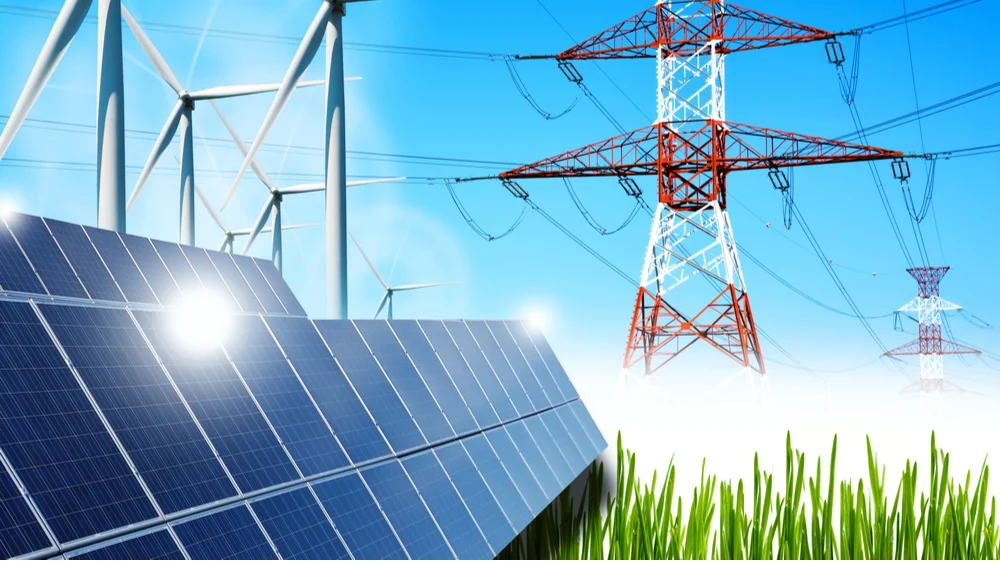
The 21st century stands at a critical crossroads: humanity’s dependence on fossil fuels has powered modern civilization — but at an enormous environmental cost. Rising greenhouse gas emissions, global warming, and energy insecurity demand a rapid transition to cleaner, smarter, and more sustainable energy systems. Enter Renewable Energy and Smart Grids, two technologies at the forefront of this transformation. Renewable energy harnesses natural sources like sunlight, wind, water, and geothermal heat — providing virtually limitless, clean power. Smart grids, on the other hand, are the digital nervous system that makes it possible to integrate, distribute, and manage this renewable power efficiently.
Renewable Energy.
Renewable energy refers to power derived from natural processes that replenish themselves faster than they are consumed. Unlike fossil fuels (coal, oil, gas), renewables produce little to no carbon emissions and can be sustained indefinitely.
The main types include:
- Solar Energy: Captured from sunlight using photovoltaic (PV) panels or concentrated solar power (CSP) systems.
- Wind Energy: Generated through wind turbines that convert air motion into electricity.
- Hydropower: Electricity from flowing or falling water.
- Geothermal Energy: Uses heat from Earth’s crust to produce steam and generate power.
- Biomass Energy: Derived from organic matter like plant waste, algae, or wood pellets..
Smart Grids.
Traditional electrical grids were designed for one-way power flow — electricity generated at large power plants and delivered to consumers. However, the introduction of renewables and decentralized generation requires a dynamic, intelligent network capable of real-time management. A Smart Grid is an upgraded electricity network that uses digital communication, sensors, automation, and AI to monitor, predict, and optimize the production and consumption of electricity.
Key features include:
- Two-Way Communication: Between utilities and consumers.
- Real-Time Data Analytics: For balancing demand and supply.
- Integration of Renewables: Seamlessly manages fluctuating inputs from solar and wind.
- Energy Storage Systems: Batteries and supercapacitors store excess power for later use.
- Self-Healing Capabilities: Automatically detect and correct faults in the grid.
In essence, smart grids make renewables reliable — turning an unpredictable energy source into a stable, efficient power system.
The Synergy Between Renewable Energy and Smart Grids
Renewables and smart grids are two halves of the same innovation coin. Renewable energy provides clean power, and smart grids ensure that power is efficiently distributed and managed.
Because solar and wind are intermittent (they depend on weather and time of day), smart grids balance fluctuations using:
- Energy Storage: Batteries, pumped hydro, and hydrogen fuel cells.
- Demand Response: Adjusting consumer usage automatically during peak or low supply.
- Predictive Analytics: AI forecasts renewable output based on weather models.
- Microgrids: Localized grids that can operate independently in emergencies.
Together, they make the entire system more flexible, reliable, and resilient, paving the way for 100% renewable energy integration.
Key Technologies Driving the Transition
A. Solar Power Innovations
Solar technology has advanced dramatically in efficiency and affordability.
- Photovoltaic Cells: Convert sunlight directly into electricity.
- Perovskite Solar Cells: A new material offering high efficiency at low cost.
- Solar Farms and Floating Solar: Large-scale solar installations now power entire cities.
- Solar Storage Integration: Hybrid systems store daytime energy for nighttime use.
B. Wind Power Advancements
Modern wind turbines can generate megawatts of power even from mild winds.
- Offshore Wind Farms: Capture stronger, steadier winds at sea.
- Vertical-Axis Turbines: Compact designs suitable for urban settings.
- Smart Turbine Control: Sensors and AI optimize blade pitch and energy output.
C. Energy Storage Systems
Storage is the backbone of renewable integration.
- Lithium-Ion Batteries: Widely used for solar and grid backup.
- Solid-State Batteries: Offer higher capacity and safety.
- Pumped Hydro Storage: Uses gravity to store energy in water reservoirs.
- Hydrogen Energy Storage: Converts excess power into hydrogen fuel for later use.
D. Digital Technologies in Smart Grids
- Internet of Things (IoT): Smart meters and sensors collect real-time data.
- Artificial Intelligence (AI): Predicts demand, detects faults, and manages grid efficiency.
- Blockchain: Enables transparent, decentralized energy trading among users.
- Edge Computing: Processes grid data locally to improve response speed and security.
Benefits of Renewable Energy and Smart Grids
A. Environmental Sustainability
Renewables drastically reduce carbon emissions, air pollution, and dependence on finite fossil fuels — a cornerstone for combating climate change.
B. Energy Independence
Countries relying on imported oil and gas gain energy sovereignty by harnessing local renewables.
C. Economic Growth and Jobs
According to the International Renewable Energy Agency (IRENA), renewables employed over 14 million people in 2024, with continued growth expected in installation, maintenance, and manufacturing sectors.
D. Reliability and Resilience
Smart grids detect outages instantly and reroute power — minimizing blackouts. Microgrids maintain power during disasters, strengthening community resilience.
E. Cost Efficiency
The price of solar and wind energy has dropped by over 80% in the past decade. Combined with smart systems, renewables can outperform fossil fuels economically.
Real-World Examples of Implementation
🇺🇸 United States
The U.S. is a global leader in renewable energy and smart grid innovation:
- California aims for 100% clean electricity by 2045.
- Texas operates the largest wind farms in North America.
- New York’s Reforming the Energy Vision (REV) project integrates distributed generation and smart metering statewide.
🇩🇰 Denmark
Generates over 50% of its electricity from wind power, managed via advanced digital grids that balance real-time supply and demand.
🇩🇪 Germany
Through its Energiewende (Energy Transition) initiative, Germany has pioneered grid modernization and renewable integration.
🇨🇳 China
Home to the world’s largest solar farms and battery storage facilities, China leads global renewable energy capacity.
🇮🇳 India
Investing heavily in solar power, India launched the National Smart Grid Mission to modernize its aging infrastructure.
Challenges Facing the Energy Transition
While promising, the renewable-smart grid ecosystem faces several barriers:
A. Intermittency
Solar and wind vary daily and seasonally. Large-scale, cost-effective storage remains a major technical challenge.
B. Infrastructure Upgrades
Many countries have outdated grid systems that require massive modernization investments.
C. Cybersecurity
Digitized grids are vulnerable to hacking and data breaches, requiring robust encryption and AI-based defense systems.
D. High Initial Costs
Although renewables are cheaper long-term, upfront costs for smart grid infrastructure, batteries, and solar installations can be prohibitive.
E. Regulatory and Policy Hurdles
Slow government adaptation and inconsistent policies can delay large-scale renewable deployment.
The Future of Renewable Energy and Smart Grids
The coming decades promise a radically different energy world — decentralized, digital, and democratized.
A. 100% Renewable Energy Systems
Advances in solar efficiency, offshore wind, and storage will enable fully renewable power grids within decades.
B. AI-Powered Autonomous Grids
Artificial intelligence will manage power flow dynamically, predicting failures before they occur.
C. Vehicle-to-Grid (V2G) Systems
Electric cars will not just consume power — they will store and return energy to the grid when needed.
D. Decentralized Energy Markets
Blockchain-based platforms will let users trade surplus solar energy directly, turning homes into mini power plants.
E. Green Hydrogen Economy
Hydrogen produced from renewables will power heavy industries, aviation, and long-distance transport — replacing fossil fuels entirely.
F. Global Energy Equity
As renewable costs fall, even developing nations will gain access to clean, affordable power — closing the energy divide.